
Counter-espionage for critical interests

Confidentiality cannot be taken for granted

GreyOps protects confidential information at the very highest level. For executives of public and private organisations, we secure rooms against data leakage, eavesdropping and observation: from sweep and security awareness to high-assurance information security.

Services

Independent, discreet and methodologically sound

GreyOps provides specialised technical counter-espionage, built on years of experience in national security. We examine hidden eavesdropping and observation risks in environments where strategic interests, sensitive information and confidential decision-making come together.

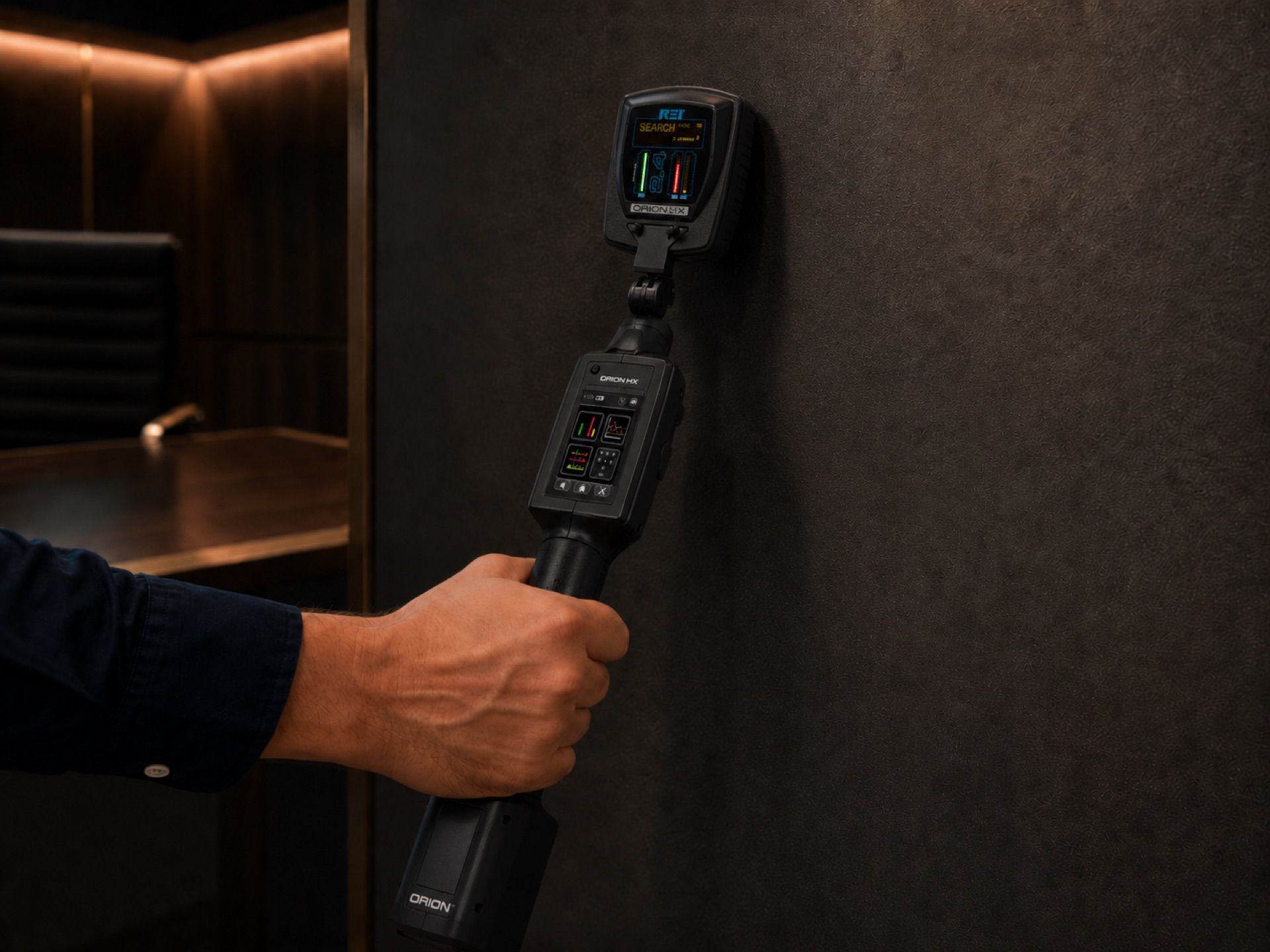
Measurement equipment during a TSCM sweep on a boardroom table

Electronic security surveys

Technical counter-espionage examination for environments with strategic decisions, confidential negotiations and business-critical information. With high-grade detection equipment and knowledge of advanced attack methods. Reported at board level, methodologically sound.

Read more: TSCM sweeps

Entrance to a secure meeting room

Security consulting

Design and assessment of secure rooms: from meeting rooms with elevated requirements to fully shielded environments, including organisational assurance in procedures and awareness.

Read more: Security consulting
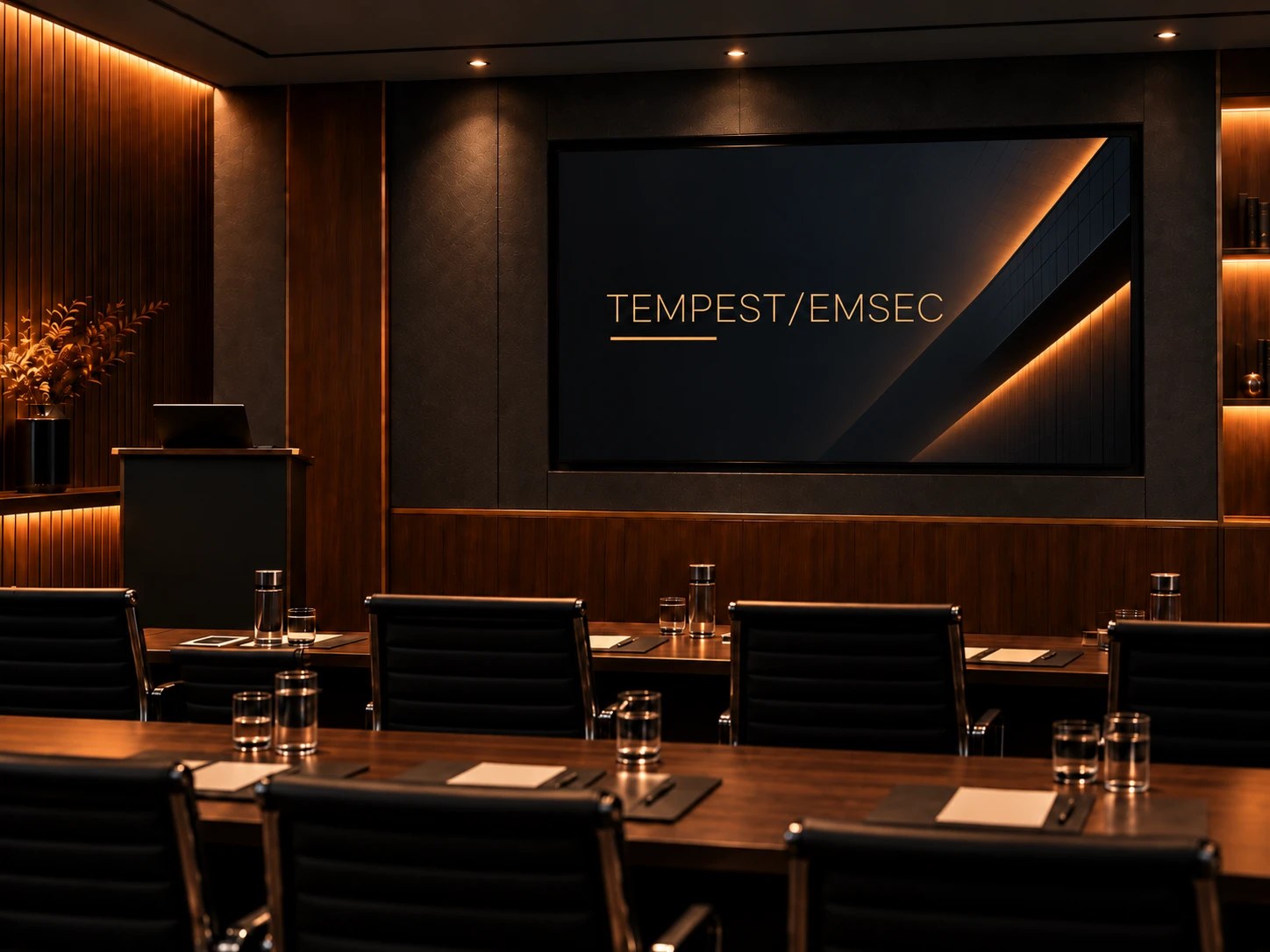
Boardroom with a presentation screen reading TEMPEST/EMSEC

Briefings

Awareness programmes on espionage, for boards and operational audiences alike. We cover technical and human countermeasures in a mix that suits the audience, working through concrete hybrid-threat scenarios, leading to greater resilience.

Read more: Briefings
Why a sweep

What is being found

Eavesdropping is not a theoretical risk. At companies, governments and international institutions, eavesdropping devices are found in furniture, fittings, ventilation, cabling, computer systems and peripherals.

Observation equipment is deliberately hard to recognise, and the period between placement and discovery (dwell time) is usually months. Detection does not usually happen by chance, but through targeted examination. Far more often, exposure arises without any malicious intent, through legitimate equipment that unintentionally gives away information or makes unwanted communication possible. The methodical GreyOps approach is aimed at examining both categories systematically: concealed eavesdropping and observation devices, and technical signals/equipment that does not fit the expected picture. The link below sets out a selection of documented cases.

Read more: publicly documented cases

Independent judgement, free of commercial interest

Independent

Conclusions based solely on the threat picture, the findings at the client and the client’s interests.

Scientific

Extensive professional experience in national security, with a doctorate in security sciences (PhD).

Discreet

Every engagement follows strict confidentiality protocols and is not discussed with third parties.

For organisations where confidentiality carries real weight

Our clients fall into three segments with one common denominator: information that must not leak. The reason may be a legal obligation or a risk profile. Beyond that, specific processes, sensitive rounds of talks or rooms used routinely for confidential discussion.

Strategic interests

Executives, law firms, M&A advisers, family offices and technology companies where sensitive negotiations, intellectual property and business-critical information require protection.

Elevated threat profile

Public figures, international delegations, research institutions and organisations with an elevated risk of eavesdropping, observation or economic espionage.

Security requirements / compliance

Organisations with security obligations under, among others, the ABRO or the Dutch Cybersecurity Act, that want to substantiate their technical resilience demonstrably.

According to the AIVD annual report 2025 (the Dutch General Intelligence and Security Service), the threat from states with offensive cyber programmes is greater than before, and economic espionage risk has increased.